Review: Japanese Torii Gate 3D Shadow Box Design
As a designer who spends more time staring at stitch maps than most people care to admit, I approach every new machine embroidery design with a mix of curiosity and skepticism. When I first loaded the Japanese Torii Gate 3D Shadow Box onto my screen, I wasn't just looking for a pretty picture; I was looking for structural integrity, visual balance, and commercial viability. This isn't just another generic icon; it is a piece that carries cultural weight, representing the sacred transition from the mundane to the spiritual in Japanese tradition. For those of us in the craft business, translating such a significant symbol into thread requires a delicate touch.
First Impressions and Visual Personality
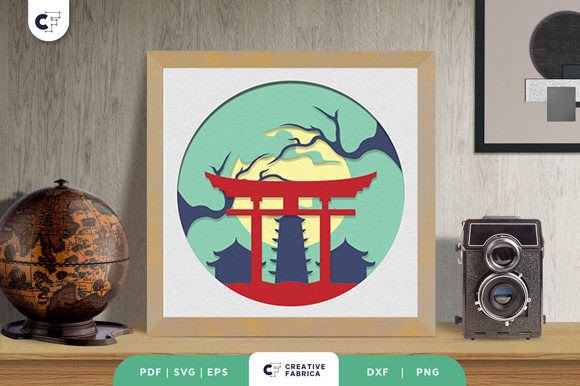
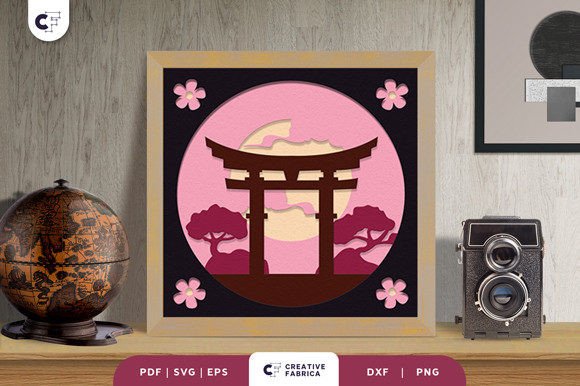
The immediate mood this design evokes is one of serene strength. The silhouette of the Torii gate is iconic, but the addition of the "3D Shadow Box" effect and the accompanying Sakura petals gives it a layered depth that flat designs often lack. In the digital preview, the layout feels intentional. It doesn't scream for attention with chaotic details; instead, it invites the viewer to look closer. The inclusion of falling cherry blossoms softens the rigid architectural lines of the gate, creating a nice contrast between the permanent structure and the fleeting beauty of nature.
For an Etsy seller or boutique owner, this visual personality is gold. It fits perfectly into the current trend of mindfulness, travel-inspired decor, and Zen aesthetics. Whether you are creating a handmade product for a yoga studio or a personalized gift for someone who loves Japan, the design speaks a clear language. It feels sophisticated enough for high-end home decor but playful enough for casual wear.
Real-World Application: The Tote Bag Test
To truly evaluate an embroidery file, you have to imagine it on actual fabric. I immediately pictured this design stitched onto a heavy canvas tote bag design. Imagine a natural, unbleached cotton bag with the Torii gate stitched in deep crimson and charcoal grey threads. The 3D shadow effect would pop beautifully against the textured weave of the canvas. This isn't just a bag; it becomes a statement piece for a customer visiting a museum, heading to a farmers market, or carrying their yoga mat.
Beyond bags, I can see this working exceptionally well as sweatshirt embroidery. A oversized, neutral-toned hoodie with this design centered on the chest or placed subtly on the sleeve would appeal to streetwear enthusiasts who appreciate cultural motifs. The scale of the design seems versatile enough to be resized for a baby embroidery project, perhaps on a onesie for a nursery themed around world travels, though one must always be cautious about stitch density on infant skin.
Technical Performance and Stitching Clarity
When we talk about a 3D SVG or a design meant to simulate depth in embroidery, the technical execution is everything. The success of the Japanese Torii Gate 3D Shadow Box relies heavily on how the software interprets the layers. In a real stitching scenario, you want to ensure that the "shadow" elements don't become a muddy mess of thread.
If the design utilizes a combination of satin stitch for the bold outlines of the gate and a lighter fill stitch for the background or petals, the result should be crisp. However, designers need to pay close attention to the stitch density. High-density areas can cause puckering, especially if you are working on a stretchy fabric like a t-shirt jersey. Before committing to a final finished product, it is crucial to test the design on scrap fabric similar to your final material. Check if the small details of the Sakura petals hold up or if they get lost in the bulk of the thread.
For those considering this for an embroidered patch, the potential is huge. Patches allow you to use a sturdy backing and dense stitching without worrying about the drape of the garment. The Torii gate's strong geometric shapes make it an ideal candidate for a merrow-edge patch that could be ironed onto denim jackets or backpacks.
Navigating Fabric and Hoop Challenges
While the design is stunning, it demands respect regarding where it is placed. If you are attempting this on a curved surface like a cap, be very careful. The structural lines of the Torii gate need to remain straight; any distortion caused by the curve of the hat could ruin the architectural integrity of the image. Similarly, using this on very thin or dark fabrics requires strategic planning. You may need to employ a technique similar to an applique design or use a heavy-duty stabilizer to prevent the fabric from showing through the stitches or to support the weight of the thread.
Always confirm your hoop size before purchasing. Designs with wide aspect ratios, like a gate with spreading petals, can sometimes exceed standard hoops. If the design is large, you might need to split it or use a mega-hoop, which adds complexity to the production process for a small shop product. Additionally, review the thread colors suggested. While the traditional red and black are classic, experimenting with monochromatic schemes or pastels could open up new markets, such as wedding gifts or holiday embroidery for spring collections.
Commercial Value and Brand Consistency
From a business perspective, the Japanese Torii Gate 3D Shadow Box offers strong potential for brand consistency. If your brand focuses on travel, culture, or spiritual wellness, this asset fits seamlessly. It elevates the perceived value of the item. A simple pillow cover becomes "Zen Home Decor"; a plain apron becomes "Chef's Meditation Gear." Customers are willing to pay more for items that tell a story and exhibit high-quality craftsmanship.
However, professionalism is key. Ensure that the digital embroidery file you acquire comes with the appropriate licensing for commercial embroidery. As a responsible creative entrepreneur, you must verify whether the license allows for unlimited physical sales or if there are restrictions on digital redistribution. Never assume; always read the terms provided by the creator.
Final Verdict for Makers
In conclusion, the Japanese Torii Gate 3D Shadow Box is a compelling addition to any designer's library, particularly for those operating within the Countries category or focusing on cultural themes. Its strength lies in its ability to convey a specific mood while maintaining the structural clarity needed for machine embroidery.
My advice? Don't just stitch it once. Create printable mockups to visualize it on different products. Test it on both light and dark backgrounds to see how the contrast plays out. Inspect the tiny corners and the flow of the petals. If the stitch count and density are managed correctly, this design can be the centerpiece of a profitable collection, offering customers a tangible piece of art that honors the beauty of Japanese culture. Whether for a custom apparel line or a one-off holiday embroidery gift, this design has the depth and character to stand out in a crowded marketplace.