Le Mont St. Michel 3D SVG for Countries Projects
As a graphic designer who spends most of my week balancing aesthetic appeal with commercial viability, I approach every new graphic design asset with a critical eye. Recently, I was tasked with developing a visual concept for a boutique travel agency specializing in romantic European getaways. The client needed something that evoked history, romance, and the specific allure of France without feeling like a generic stock photo. That is when I pulled up the Le Mont St. Michel 3D Shadow Box SVG. My goal was to determine if this digital product could hold up under the scrutiny of a real-world branding project, specifically looking at how it functions within the Countries category for high-end marketing visuals.
First Impressions: A Dreamy Atmospheric Depth
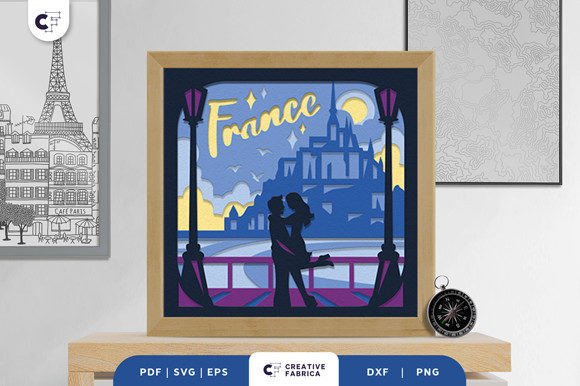
The moment I opened the file, the first thing that struck me was the layered complexity. Unlike flat vector illustrations that often feel one-dimensional on screen, this 3D SVG offers a sense of depth that mimics a physical shadow box. It captures the essence of the famous abbey rising from the tides, creating a moody, dreamy atmosphere that aligns perfectly with the idea that France is a top destination for couples. The visual style is intricate yet clean enough to be versatile. For a designer, this means the asset does not just sit on the page; it creates a focal point. The mood it generates is nostalgic and inviting, making it an ideal candidate for projects that need to sell an experience rather than just a product.
Integrating the Asset into Real Client Workflows
In the context of our hypothetical travel campaign, the utility of this file becomes apparent across various mediums. For brand identity work, the layered nature of the design allows us to isolate specific elements—the abbey, the water, the sky—to create a cohesive logo system or a secondary mark for social media avatars. When applied to packaging design, such as a luxury brochure or a gift box for a honeymoon package, the shadow box effect adds a tactile quality even in print. It elevates the perceived value of the physical item.
For digital sellers and those running an Etsy product shop, this asset is a goldmine. It translates beautifully into printable design formats for wall art, where customers can layer colored cardstock to recreate the 3D effect at home. In the realm of print-on-demand, the high-resolution vectors ensure crisp lines on everything from tote bags to premium t-shirts. I also see strong potential for sublimation design on mugs, where the gradient-like layers of the shadow box can simulate depth on a curved surface. Whether you are building a Canva template for travel bloggers or creating social media graphics for Instagram stories, the dramatic silhouette of Le Mont St. Michel commands attention.
Strategic Placement and Visual Hierarchy
Understanding where to place this illustration is key to maintaining a professional look. This asset shines in large layout areas and hero graphics where its details can be appreciated. It works exceptionally well as a decorative accent on website headers or as the central image in editorial design for travel magazines. However, caution is required. Because of its intricate layering, using the Le Mont St. Michel 3D Shadow Box SVG in very small sizes, such as a favicon or a tiny footer icon, might result in a loss of detail and visual clarity. It should also be used carefully in crowded layouts; the complex lines need breathing room to maintain the visual hierarchy. If placed over a busy background or in a low-contrast design, the subtle shadows that give it its name could disappear, reducing the impact of the piece.
Impact on Brand Perception and Audience Engagement
From a psychological perspective, this design asset does heavy lifting for emotional appeal. The romantic and historic connotations of the subject matter instantly build trust and aspiration. For a small business owner or a marketer, leveraging this imagery can significantly boost audience engagement. It signals professionalism and a curated taste, moving away from generic clipart toward a more bespoke creative design. When viewers see this level of detail, they subconsciously associate the brand with quality and attention to detail. It helps tell a story about the destination, making the audience feel as though they are already there, which is the ultimate goal of effective marketing visuals.
Practical Designer Notes for Commercial Use
Before committing this asset to a final client deliverable, there are several technical checks I always perform. First, test the design in black and white. Even though the charm lies in the layered colors or shadows, ensuring the silhouette holds up in monochrome is crucial for versatility in faxed documents or single-color merchandise. Next, check contrast on both light and dark backgrounds. The transparency of the SVG layers needs to be inspected to ensure no unwanted artifacts appear when placed over colored sections in a product mockup.
It is also vital to review the file formats. While the primary draw is the SVG design capability for cutting machines like Cricut or Silhouette for a Cricut project, ensure that a high-quality PNG design with transparency is included for web use. Compare how the illustration pairs with different typography styles. I found that a classic serif font complements the historic nature of the abbey, while a clean sans serif provides a modern contrast suitable for contemporary travel blogs. Avoid pairing it with overly playful handwritten fonts unless the brand voice is specifically whimsical, as it might clash with the grandeur of the monument.
Finally, and perhaps most importantly, confirm the commercial license. As professionals working with design assets for paying clients, we must ensure that the usage rights cover the intended scope, whether it is for a limited run of stickers or a global ad campaign. This design bundle element should be treated as a strategic investment in your creative toolkit.
Final Verdict for the Modern Designer
The Le Mont St. Michel 3D Shadow Box SVG is more than just a pretty picture; it is a functional tool for storytelling. For designers working in the travel, hospitality, or handmade sectors, it offers a unique way to visualize the romance of France. By understanding its strengths in depth and mood, and respecting its limitations regarding scale and complexity, you can integrate it into a wide range of projects—from web design to physical sticker design. It stands out in the crowded creative marketplace as a piece that bridges the gap between digital precision and artistic warmth, making it a worthy addition to any professional library focused on small business branding and evocative visual communication.