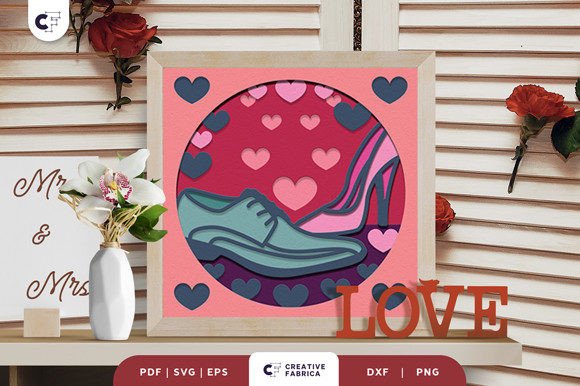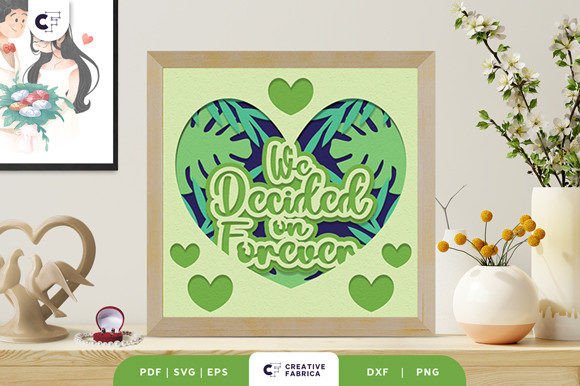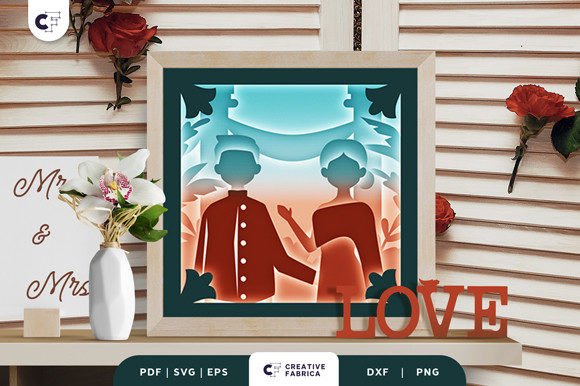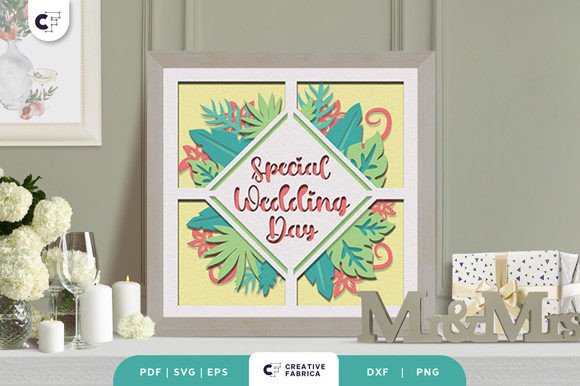
Review: Happy Ever After 3D Shadow Box Papercut
As a designer who spends more time staring at stitch maps than most people spend looking at actual art, I approach every new machine embroidery design with a healthy dose of skepticism. We've all been there: you buy a file based on a glossy thumbnail, only to find out the satin columns are too wide for the lettering or the density turns your fabric into cardboard. So, when I pulled up the Happy Ever After 3D Shadow Box Papercut for a potential client project, I didn't just look at the pretty preview; I looked for the engineering behind the beauty.
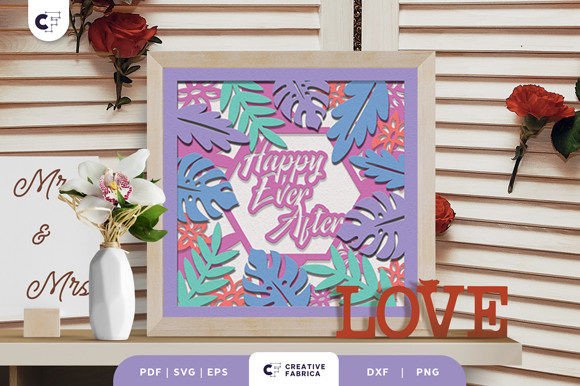
This isn't just another floral motif. The layout suggests a deliberate attempt to mimic the depth of a physical shadow box using thread layers. For those of us in the craft business, specifically Etsy sellers and boutique owners, this distinction matters. A flat design is safe, but a design that promises dimensionality carries higher risk and higher reward. My first impression was one of elegant restraint. The "Happy Ever After" script sits centrally, framed by what appears to be a carefully constructed border of florals and leaves. It feels less like a standard applique design and more like a composed illustration ready for translation into thread.
Visualizing the Finished Product in Real Scenarios
To truly evaluate this embroidery file, I had to move past the screen and imagine it on actual goods. I recently had a request for a high-end wedding gift set—a personalized tote bag and a matching linen tea towel for a bride who wanted something she could display rather than hide in a closet. This is where the Happy Ever After 3D Shadow Box Papercut shines. The mood it creates is romantic yet structured, perfect for wedding commemoration without veering into overly cutesy territory.
If I were stitching this onto a heavy canvas tote bag design, the layered look of the flowers would provide excellent texture against the coarse weave. However, my mind immediately went to sweatshirt embroidery. Imagine this on a premium, heavyweight French terry crewneck in a soft blush or sage green. The contrast between the plush fabric and the defined edges of the shadow box effect would elevate a simple garment into a heirloom-quality piece. For baby embroidery projects, like a nursery wall hanging or a christening gown accent, the gentle curves of the leaves offer a soothing visual rhythm.
The real test for any designer is customer reaction. In a retail setting or a craft fair, buyers touch everything. A design that looks flat from afar but reveals intricate fill stitch work and varied textures up close generates trust. It tells the customer that thought went into the handmade product. This specific design has the potential to increase the perceived value of your small shop product because it looks complex, even if the digitizing has done the heavy lifting for you.
Technical Performance and Fabric Considerations
Now, let's get into the nitty-gritty of execution. While the product category lists this under Table Decorations and notes it as a 3D SVG, us embroiderers know we are dealing with thread tension and fabric grain, not vector nodes. The success of this embroidery project hinges entirely on how you handle the transition from digital asset to physical stitch.
The "shadow box" aesthetic implies density. If the digitizer has stacked multiple layers of satin stitch to create that 3D illusion, you need to be wary of your fabric choice. On thin, stretchy fabrics like single-jersey t-shirts, this design could cause puckering or distortion unless you are aggressive with your stabilization. I would strongly advise using a cut-away stabilizer for anything that needs to last, rather than tear-away, to support the weight of the design over time.
There are specific scenarios where you should proceed with caution. If you are attempting this on a curved surface like a cap, the rigid structure of the floral frame might not lay flat against the front panel. Similarly, if you are working with textured fabrics like waffle weave or heavy tweed, the fine details in the leaf veins might get lost. For commercial embroidery runs where consistency is key, you must test the stitch density. High-density areas can break needles or cause thread fraying if the machine speed is too high.
Another critical factor is the lettering. Script fonts in embroidery are notorious for choking up if the stitches are too tight or the spacing is too narrow. Before committing to a client order, stitch this out on a scrap piece of the exact fabric you intend to use. Check the connectivity of the letters in "Happy Ever After." If the ties are too visible, it breaks the flow of the word. If they are too weak, the letters may sag after washing.
Maximizing Value for Your Craft Business
For the creative entrepreneurs and digital product sellers reading this, the versatility of this design is its biggest asset. It works beautifully as a centerpiece for holiday embroidery collections, particularly for Valentine's Day or wedding season. But beyond seasonal spikes, it serves as a strong evergreen item for personalized gifts.
When creating printable mockups for your online listings, this design offers great photogenic potential. The implied depth photographs well under natural light, casting subtle shadows that make the listing pop. However, remember that what sells online must deliver offline. Ensure your thread colors match the mockup closely. A mismatch in the shade of green for the leaves can make a professional finished product look amateurish.
I also recommend testing this design in black and white or grayscale before finalizing your color palette. This helps you verify that the contrast between the flowers, the text, and the background is sufficient. If the design relies solely on color to define the shapes, it might fail on low-contrast fabrics. A good embroidery design should hold its form regardless of the thread hue.
Final Verdict and Designer Notes
The Happy Ever After 3D Shadow Box Papercut is a compelling addition to a library of wedding and romance-themed assets. It bridges the gap between traditional floral motifs and modern, layered aesthetics. However, it demands respect in the hoop. Do not assume it will work perfectly on every material straight out of the download.
Here are my practical takeaways for using this file:
- Test First: Always stitch a sample on scrap fabric identical to your final product to check for puckering.
- Check Licensing: Before selling finished items or using this in design assets for clients, confirm the license terms provided with the download.
- Hoop Size: Verify the required hoop size against your machine's capabilities; don't try to force a large design into a small hoop by resizing, as this ruins the stitch balance.
- Stabilizer Matters: Match your stabilizer to the fabric weight. Heavy designs need strong support.
- Detail Inspection: Zoom in on the tiny corners of the leaves and the ends of the script to ensure they are clean and not overly dense.
In the world of custom apparel and home decor, details define quality. This design has the personality to become a signature piece for your brand, provided you treat it with the technical care it requires. Whether you are making a one-off personalized gift or stocking inventory for an Etsy seller shop, the Happy Ever After 3D Shadow Box Papercut offers a sophisticated route to capturing those special moments in thread.