Review: Curved Lines Pattern Rectangular Box SVG
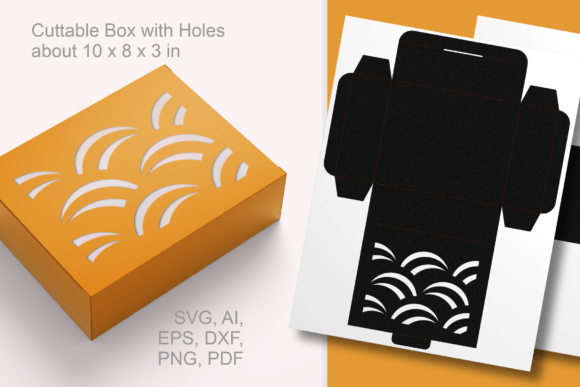
As a designer who spends half my life digitizing patterns and the other half testing them on actual fabric, I have learned to be skeptical of digital assets that promise versatility without proving durability. When I first opened the Curved Lines Pattern Rectangular Box SVG, my initial reaction was not about the code itself, but about the visual rhythm. The interplay of curved lines within a rectangular constraint suggests a modern, organic aesthetic that breaks away from rigid geometric norms. For embroidery designers and small business owners, this distinction matters. It is not just a shape; it is a mood setter.
First Impressions and Visual Personality
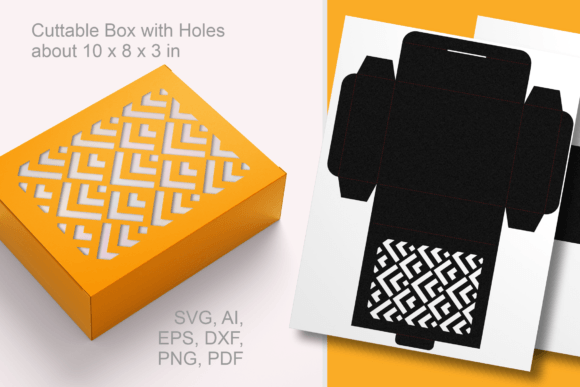
The design falls under the category of Objects, specifically functioning as a 3D SVG template for paper-cut projects, but its application in embroidery requires a different lens. The curved lines create a sense of movement, softening the hard edges of the rectangular box format. In a digital preview, this looks clean and minimalist. However, translating this to thread requires careful consideration of stitch types. The curves suggest a need for smooth satin stitches or dense fill stitches to maintain the integrity of the line without jagged edges. The layout feels balanced, offering enough negative space to prevent the design from looking cluttered when scaled down for smaller items like baby clothes or patches.
This visual personality fits naturally into contemporary boutique branding. It does not scream "holiday" or "vintage," which makes it incredibly versatile for year-round custom apparel and handmade products. It appeals to customers looking for understated elegance rather than loud graphics.
Real-World Application: The Tote Bag Test
To truly evaluate the Curved Lines Pattern Rectangular Box SVG, I imagined a real-life scenario: preparing a custom order for a local bookstore launching a new line of literary-themed merchandise. The client wanted a tote bag design that felt structural yet artistic. This design became the central motif. On a heavy canvas tote, the rectangular structure of the SVG provides a solid anchor, while the curved lines add a layer of sophistication.
In this context, the design performs well because the bold lines can withstand the texture of canvas. If I were using a fill stitch for the interior of the curves, the density would need to be high enough to cover the weave of the fabric but not so high that it causes puckering. For an Etsy seller or craft business owner, this means the design adds perceived value. It looks intentional and professional, elevating a simple tote into a personalized gift or a premium small shop product.
Performance Across Different Embroidery Projects
Beyond tote bags, how does this machine embroidery design hold up in other common scenarios? Let us break it down by project type:
- Sweatshirt Embroidery: On fleece or French terry, the curved lines need careful digitizing. A satin stitch border might sink into the pile if not backed properly. Using a cutaway stabilizer is non-negotiable here to keep the rectangular shape crisp.
- Baby Embroidery: For onesies or bibs, the scale must be reduced. The simplicity of the lines works in favor of the designer here, as there are no tiny, intricate details that could unravel with frequent washing. However, one must ensure the stitch density is low enough to remain soft against sensitive skin.
- Embroidered Patch: This is perhaps the ideal use case. The rectangular boundary creates a natural edge for a merrowed border. The curved lines inside provide visual interest without requiring complex color changes, making it cost-effective for bulk production.
- Holiday Embroidery: While not inherently festive, the design can be adapted. Using red and green thread colors or metallic threads can transform this neutral object into a modern holiday ornament or gift tag alternative.
Where Caution Is Required
No design is universal, and the Curved Lines Pattern Rectangular Box SVG has its limitations. As an experienced reviewer, I must point out where this design might fail if not handled correctly.
First, consider hoop size. If you are working with a small 4x4 hoop, scaling the design down too much will cause the curved lines to merge. The clarity of the pattern relies on the separation between the lines. On stretchy fabrics like jersey knits, the tension from the embroidery hoop can distort the rectangular shape, turning it into an oval. This ruins the geometric intent of the design. Always use a strong stabilizer and consider hooping the fabric with a tear-away backing to minimize distortion.
Second, be wary of dark fabric if the design relies on subtle tonal shifts. If the embroidery file is digitized with low contrast, the curved lines may disappear on black or navy materials. I recommend testing the design in black and white mockups before committing to thread. If the lines do not stand out in grayscale, they will not stand out in color.
Finally, avoid placing this design on highly textured surfaces like terry cloth towels unless you are using a high-density fill. The fabric texture can swallow the running stitch details, making the design look incomplete or messy.
Impact on Brand Consistency and Customer Trust
For commercial embroidery projects, consistency is key. The Curved Lines Pattern Rectangular Box SVG offers a level of professionalism that builds customer trust. When a buyer receives a finished product with clean, well-executed lines, they perceive the brand as high-quality. This design, with its balanced composition, supports brand consistency across various items, from aprons to pillow covers.
Moreover, the versatility of the design allows for creative marketing. You can use it in printable mockup previews to show potential buyers how it looks on different backgrounds. This helps in creating compelling design assets for online listings. An Etsy seller can showcase the same design on a cap, a tote, and a sweatshirt, demonstrating its adaptability and increasing buyer engagement.
Practical Designer Notes for Implementation
Before you purchase or download this digital embroidery file for your next embroidery project, keep these practical steps in mind:
- Test on Scrap Fabric: Never run a new design directly on your final garment. Use a similar fabric scrap to check for puckering or thread breaks.
- Check Thread Color Contrast: Ensure your chosen thread colors provide enough contrast against the fabric. High contrast enhances the visibility of the curved lines.
- Review Stitch Density: If you are editing the file, check the density. Too dense, and it becomes stiff; too sparse, and the fabric shows through.
- Confirm Hoop Size: Make sure the design fits comfortably within your machine’s hoop without needing excessive re-hooping.
- Inspect Small Details: Zoom in on the curves. Are there unnecessary jump stitches? Clean up the pathing if necessary to reduce thread waste.
- Verify Licensing: Since this is a 3D SVG originally intended for paper cuts, confirm with the creator if the license extends to commercial embroidery sales. Do not assume rights; always check.
In conclusion, the Curved Lines Pattern Rectangular Box SVG is a strong candidate for modern embroidery projects. It bridges the gap between structural geometry and organic flow. For the creative entrepreneur or hobbyist, it offers a canvas for experimentation. Just remember that the success of the final piece depends less on the file itself and more on how well you adapt it to the unique challenges of fabric, thread, and machine tension. Treat it with the respect it deserves, and it will serve your craft business well.