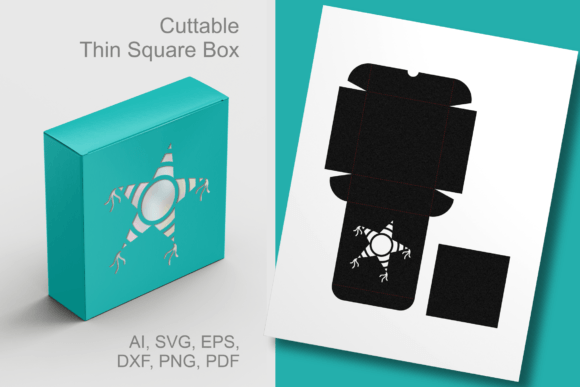
Pinata Decorative Holes Thin Square Box Review
As a designer who spends more time staring at stitch simulations than I do sleeping, I approach every new machine embroidery design with a healthy dose of skepticism. We have all been there: you download a file that looks crisp on the screen, only to find it turns into a bird's nest of thread breaks and puckering once it hits the fabric. That is why I took a close look at the Pinata Decorative Holes Thin Square Box. At first glance, this isn't just another generic geometric shape; it is a structural concept translated into a digital embroidery file that promises to add dimension and intrigue to flat surfaces.
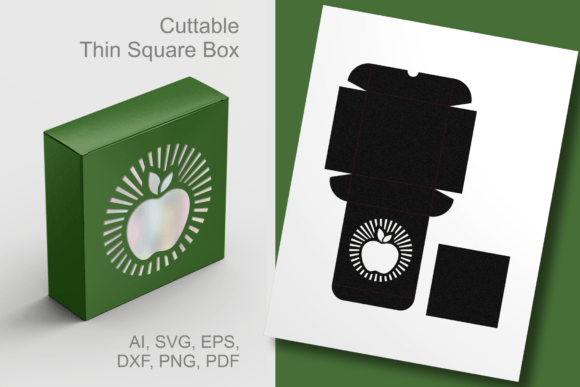
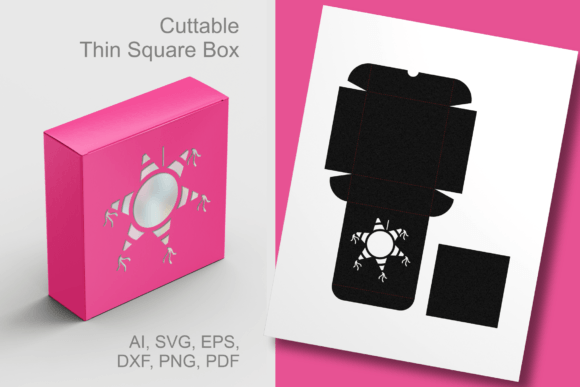
The initial impression of this design is one of playful sophistication. The "pinata" aspect refers to the decorative perforations or cut-out style holes that define the square box aesthetic. In the world of Shapes, square designs can often feel rigid or boring, but the strategic placement of these negative spaces creates a visual rhythm that draws the eye. It feels less like a static logo and more like a piece of lace or architectural detailing. For those of us creating handmade products, this kind of visual texture is gold. It suggests complexity without necessarily requiring a million stitches, provided the digitizing holds up under the needle.
Real-World Application: From Screen to Sweatshirt
To truly evaluate the Pinata Decorative Holes Thin Square Box, I imagined a specific client scenario. Picture a boutique owner who specializes in gender-neutral baby embroidery and modern nursery decor. She wants a line of organic cotton muslin swaddle blankets and matching tote bags for parents. She needs something that looks high-end but isn't overly dense, so the fabric remains soft against a baby's skin.
This is where the design shines. If executed correctly, the "holes" in the square box can be simulated using open work techniques or carefully planned running stitch borders that frame the fabric underneath, rather than filling the entire area with heavy thread. On a light-colored muslin tote, using a contrasting thread color for the outline would make the geometric pattern pop, creating a custom tote bag design that feels bespoke rather than mass-produced. For a sweatshirt embroidery project, imagine this design placed on the chest pocket area of a heavyweight fleece. The structure of the square complements the pocket's shape, while the decorative holes break up the solid mass of the garment, adding a touch of whimsy suitable for holiday gifts or everyday wear.
The versatility extends to commercial embroidery as well. For an Etsy seller looking to expand their catalog beyond standard monograms, this design offers a unique selling point. It works beautifully as a standalone motif on a pillow cover or as a framing element for a name or date. Because it falls under the category of 3D SVG in its source format, it implies a depth that can be mimicked in embroidery through layering or varied stitch types, giving the finished product a tactile quality that customers love to touch.
Navigating Fabric Textures and Hoop Limitations
However, no design is perfect for every situation, and practical judgment is required before loading this onto your machine. The intricate nature of the "decorative holes" means you need to be extremely mindful of your fabric texture. On stable, woven fabrics like linen, cotton twill, or denim, the design will likely hold its shape beautifully. But if you attempt this on a highly stretchy knit or a slippery satin without proper preparation, you risk distortion. The sharp corners of the square box are potential trouble spots; if the stitch density is too high in those corners, the fabric might pucker, ruining the clean lines.
Stabilizer choice is non-negotiable here. For a project like this, especially if you are aiming for that crisp, paper-cut template look, a firm cut-away stabilizer is probably your best friend. It provides the necessary support to keep the square's edges straight and the decorative holes defined. If you are working on a towel or a textured blanket where you might prefer a tear-away, proceed with caution. The vibration of the machine on looped fabrics could cause the finer details of the pinata holes to get lost or messy.
Another critical factor is the hoop size. While the description mentions a "thin square box," you must verify the actual dimensions of the embroidery file before purchasing. If the design is too large for your standard hoop, you will be forced to re-hoop, which introduces alignment risks. Conversely, if the design is tiny, those decorative holes might become so small that they fill in with thread, losing the intended "cut-out" effect entirely. Always check the stitch count and dimensions relative to your machine's capabilities.
Enhancing Brand Value and Customer Perception
From a business perspective, the Pinata Decorative Holes Thin Square Box has the potential to elevate brand consistency. In a market saturated with generic floral vines and block fonts, offering a geometric, architectural design signals a modern and thoughtful aesthetic. When a customer receives a personalized gift featuring this level of detail, it builds trust. They perceive the item as a small shop product crafted with care, rather than a drop-shipped commodity.
The visual appeal lies in its balance. It is structured yet festive. The "pinata" theme subtly hints at celebration, making it an excellent candidate for holiday embroidery, birthday party favors, or wedding merchandise. Imagine these stitched onto canvas aprons for a baking workshop or onto felt ornaments for a Christmas tree. The design acts as a conversation starter. It invites the viewer to look closer at the stitching technique, appreciating the skill involved in rendering those delicate holes.
Practical Notes for the Professional Embroiderer
Before you commit to a production run or list this as a new item in your store, here are my professional recommendations for testing:
- Test on Scrap First: Never skip the test stitch-out. Use the exact fabric and stabilizer combination you plan to use for the final product. This is the only way to see if the "holes" remain open and clear.
- Check Thread Contrast: This design relies on the interplay between the thread and the background. Test it with high-contrast thread colors to ensure the geometry reads clearly, then try tonal threads for a subtler, textured look.
- Inspect Small Details: Zoom in on your digitizing software. Look at how the corners of the square are handled. Are there enough tie-offs? Is the underlay sufficient to prevent the fabric from showing through where it shouldn't?
- Verify Licensing: As an Etsy seller or creative entrepreneur, always confirm the license terms. Can you sell the finished physical items? Can you sell the digital file itself? Clarify this before investing time in marketing.
- Mockup Evaluation: Create both black-and-white and color mockups. Sometimes a design loses its impact when stripped of color, revealing weaknesses in the layout. Ensure the finished product looks good even in low-light or monochrome settings.
In conclusion, the Pinata Decorative Holes Thin Square Box is a compelling addition to a designer's library. It bridges the gap between traditional paper crafts and modern textile art. While it demands respect regarding fabric choice and stabilization, its potential to create standout custom apparel and home decor is significant. For the maker willing to pay attention to the details, this design offers a pathway to creating unique, high-value items that resonate with customers looking for something fresh and geometrically charming.