Fat Tuesday Mardi Gras 3D Paper Cut Review
As a designer who spends more time staring at stitch simulations than I do sleeping, I approach every new machine embroidery design with a mix of excitement and skepticism. We've all been there: you download a file that looks vibrant on the screen, only to find it turns into a puckered mess once the needle hits the fabric. That is why I took a close look at the Fat Tuesday Mardi Gras 3D Paper Cut before committing it to any client work or personal projects. This isn't just about whether it looks cute; it's about whether it holds up as a professional asset for a craft business or a small shop product.
The Visual Vibe: Jester Hats and Shadow Boxes
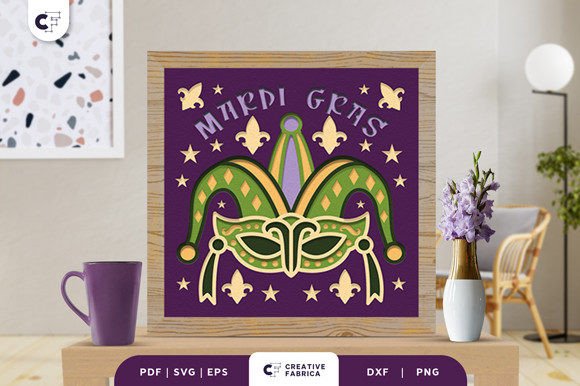
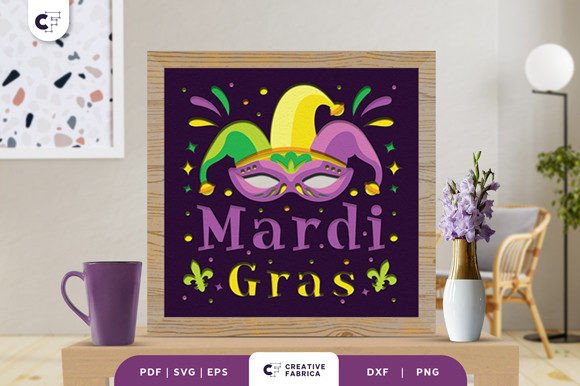
The first thing that strikes you about this design is its unique approach to the traditional Mardi Gras aesthetic. Instead of the usual beads and masks, the basis of inspiration here is the iconic Jester hat, rendered with an ornamental flair that mimics a paper-cut shadow box. It creates a sense of depth and layering that is rare in standard digital embroidery files. The mood is festive but sophisticated, moving away from cartoonish clip art toward something that feels like a boutique illustration.
For an Etsy seller or someone creating printable mockups, this visual personality is gold. It suggests a handmade quality that customers are willing to pay a premium for. The layout feels balanced, with the curves of the jester bells providing natural flow. However, because it aims for a "3D" paper-cut effect, my immediate concern was how those layered details would translate into actual thread. Would it look dimensional, or would it just look cluttered?
Real-World Application: The Tote Bag Test
To truly evaluate the Fat Tuesday Mardi Gras 3D Paper Cut, I imagined a specific real-life scenario: a custom order for a local boutique needing a run of limited-edition tote bags for the carnival season. Tote bags are tricky; they often use canvas or heavy cotton, which can be unforgiving if the stitch density is too high.
In this context, the design shines as a centerpiece. Placed centrally on a natural canvas tote bag design, the intricate ornamentation of the jester hat becomes a focal point that draws the eye. Unlike simple text logos, this graphic tells a story of multicultural celebration. If I were stitching this on a sweatshirt, the texture of the fleece would interact interestingly with the fill areas, potentially enhancing that "cut paper" illusion. For a personalized gift, like a kitchen towel or an apron, the design offers enough visual weight to stand alone without needing additional embellishments.
However, the "3D" aspect requires careful execution. In a real embroidery project, achieving depth often relies on the interplay of light and shadow created by different stitch types. If this file utilizes a mix of satin stitch for the outlines and dense fill stitch for the body, it could look stunning. But if the transitions aren't smooth, the "shadow box" effect might get lost in a sea of thread.
Fabric Challenges and Technical Considerations
While the design is visually appealing, practical judgment dictates we look at where it might struggle. The ornate nature of the jester hat means there are likely detailed corners and tight curves. On stretchy fabrics like jersey knits used for baby embroidery or fitted tees, these details are vulnerable to distortion. Without the right stabilizer, those fine lines could warp after the first wash.
I would also exercise caution with dark fabrics. If the design relies on specific thread colors to create the illusion of layers, putting it on a black hoodie might mute those subtle shifts unless the digitizer included a robust underlay or specified high-contrast top threads. Similarly, curved surfaces like caps present a challenge. The geometry of a jester hat is already complex; forcing it onto the front panel of a baseball cap could compress the design, making the ornamental details look squashed. For custom apparel like hats, I'd recommend testing a smaller version first to ensure the integrity of the shape remains intact.
Another critical factor is the hoop size. Designs with this level of detail often require a larger hoop to accommodate the full span of the jester's bells. If you are working with a small 4x4 hoop, you might find yourself unable to stitch the design at its intended size, forcing a reduction that could compromise the clarity of the smaller elements. Always check the dimensions provided with the embroidery file before purchasing.
Commercial Value and Brand Consistency
For commercial embroidery professionals, the value of a design lies in its reliability and repeatability. The Fat Tuesday Mardi Gras 3D Paper Cut has the potential to elevate a brand's perception. Using such a distinct, thematic asset on holiday embroidery collections signals to customers that you care about quality and creativity. It moves beyond generic seasonal items into the realm of collectible handmade products.
Customer trust is built on consistency. If this design stitches out cleanly with minimal trims and jump stitches, it reduces production time and increases profit margins. A clean finished product with sharp edges and no loose threads reinforces professionalism. Conversely, if the design requires constant manual intervention to fix thread breaks or bird nests, it becomes a liability rather than an asset. Before adding this to your inventory of design assets, it is crucial to run a test stitch-out on scrap fabric that matches your intended final material.
Final Verdict for Designers and Makers
The Fat Tuesday Mardi Gras 3D Paper Cut is a compelling option for those looking to capture the spirit of the festival with a modern, artistic twist. Its strength lies in its thematic depth and the unique "shadow box" aesthetic that sets it apart from standard holiday motifs. It is particularly well-suited for home decor items like pillow covers, sturdy tote bags, and wall hangings where the fabric texture can support the detailed stitching.
However, success with this design depends on preparation. Do not assume it will work perfectly on every material. Test it on both light and dark backgrounds to gauge contrast. Verify the licensing terms to ensure you are cleared for selling finished items or using it in commercial products. Check the recommended stitch density and adjust your stabilizer choice accordingly—cut-away stabilizer might be necessary for garments that will undergo frequent washing to prevent the detailed areas from sagging over time.
Ultimately, this design offers a fresh take on Mardi Gras imagery. For the creative entrepreneur willing to put in the prep work, it can be the centerpiece of a successful seasonal collection. Just remember: the difference between a good design and a great product often comes down to the tester's diligence. Treat this file with the respect it deserves, and it can become a staple in your embroidery project lineup for years to come.